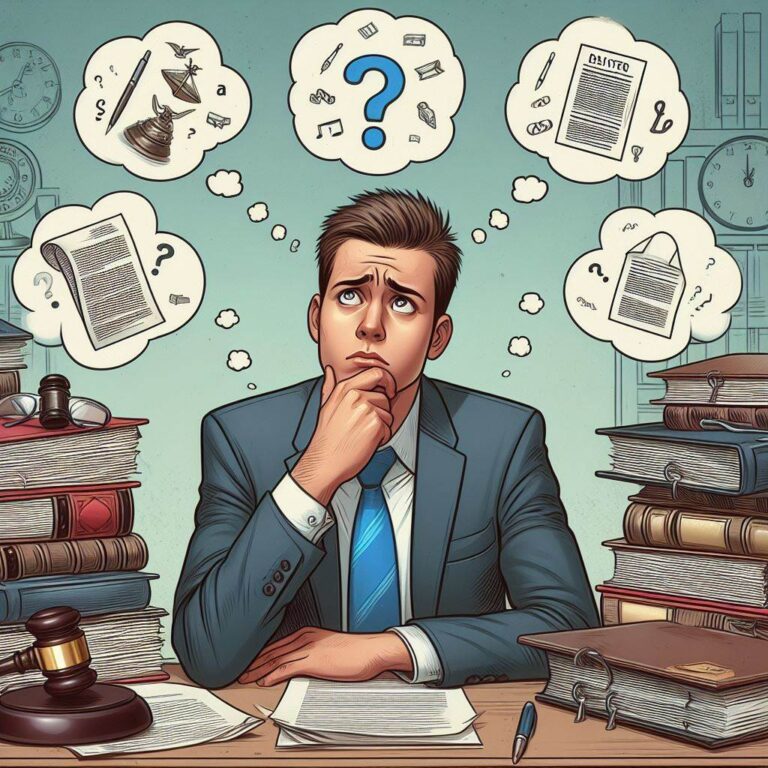
Estate planning is not just for the wealthy. If you own a home, have children, hold savings or investments, run a business, or simply want control over what happens if you become incapacitated or pass away, you need an estate plan. A solid plan reduces confusion, lowers the chance of family disputes, and helps ensure your assets are handled the way you intended.
Use this estate planning checklist to review the essential documents, decisions, and account details that should be in place. Some people will need only the basics. Others may need a more advanced plan depending on their assets, family structure, or legal jurisdiction.
Why an estate plan matters
Without a clear estate plan, your assets may be distributed according to default succession laws rather than your personal wishes. That can create delays, extra legal costs, and unnecessary stress for the people you leave behind. Good estate planning also covers incapacity, which is often overlooked. It is not only about death. It is also about who can make decisions for you if you cannot make them yourself.
Quick estate planning checklist
- Create or update your will
- Name guardians for minor children
- Choose an executor
- Review beneficiary designations
- Prepare powers of attorney
- Create a healthcare directive or living will if applicable
- List your assets and debts
- Document digital assets and account access
- Review insurance coverage
- Consider trusts if your situation calls for them
- Store documents securely
- Review the plan regularly
Full estate planning checklist for 2026
1. Create a valid will
Your will is the foundation of most estate plans. It sets out who should receive your assets, who will manage your estate, and who will care for your minor children if both parents are gone. If you already have a will, review it to make sure it still reflects your current relationships, assets, and intentions.
- Confirm that your will reflects your current wishes
- Make sure names, addresses, and family details are current
- Check whether major life events require changes
- Ensure the document is executed properly for your jurisdiction
2. Name an executor
Your executor is the person responsible for carrying out your instructions, managing estate administration, dealing with taxes, and distributing assets. Choose someone responsible, organized, and capable of handling paperwork and decisions under pressure.
- Select a primary executor
- Name at least one backup executor
- Talk to the person before naming them
- Consider whether they live nearby and can realistically serve
3. Appoint guardians for minor children
If you have minor children, guardianship is one of the most important parts of your estate plan. Without clear instructions, a court may need to decide who will care for them. Your will should name your preferred guardian and ideally an alternate.
- Name a primary guardian
- Name an alternate guardian
- Consider values, stability, location, and willingness to serve
- Review whether financial support planning is also in place
4. Review beneficiary designations
Some assets pass outside your will, including many life insurance policies, retirement accounts, pensions, and certain financial accounts with named beneficiaries. These designations often override what your will says, so they need to be reviewed carefully.
- Check retirement accounts
- Check pensions and registered accounts
- Review life insurance beneficiaries
- Update contingent or backup beneficiaries
- Remove outdated designations after divorce or other major changes
5. Prepare financial power of attorney documents
A power of attorney for property or finances allows someone you trust to manage your financial affairs if you are unable to do so. This can include paying bills, managing accounts, handling property matters, and dealing with institutions on your behalf.
- Choose a trustworthy decision-maker
- Name an alternate attorney if possible
- Clarify when the authority begins
- Consider whether specific limitations should apply
6. Prepare healthcare decision documents
Healthcare directives, medical powers of attorney, and living wills help communicate your treatment preferences if you are unable to speak for yourself. The exact name of the document varies by jurisdiction, but the purpose is the same: to give guidance and legal authority for medical decisions.
- Name a healthcare decision-maker
- Document end-of-life preferences where permitted
- Clarify resuscitation and life-support wishes if appropriate
- Share copies with the people who may need them
7. Make a complete list of your assets
Many estates become difficult to administer because nobody has a clear picture of what the deceased actually owned. Create a central inventory of assets so your executor and family can locate everything efficiently.
- Real estate
- Bank accounts
- Investment accounts
- Retirement accounts
- Business interests
- Vehicles
- Valuable personal items
- Insurance policies
8. List your debts and ongoing obligations
Estate administration is easier when liabilities are clearly documented alongside assets. Include mortgages, loans, lines of credit, credit cards, and regular obligations such as support payments, lease commitments, or business liabilities.
- Mortgage balances
- Personal loans
- Credit cards
- Business debts
- Tax obligations
- Recurring bills and subscriptions
9. Organize digital assets and account access
Digital estate planning matters more than ever in 2026. Your family may need access to email accounts, cloud storage, password managers, financial apps, crypto wallets, social media, and online businesses. Make an organized record without exposing sensitive information carelessly.
- Email accounts
- Password manager details
- Domain names and websites
- Cloud storage accounts
- Online banking and payment platforms
- Social media accounts
- Cryptocurrency holdings and access instructions
10. Review life insurance and other coverage
Insurance plays a major role in many estate plans. Review your life insurance coverage to determine whether it still fits your family’s needs, debt load, and long-term goals. Also review disability, critical illness, long-term care, home, and liability coverage where relevant.
- Confirm policy amounts are still appropriate
- Review beneficiaries
- Document policy numbers and insurer details
- Check whether coverage gaps should be addressed
11. Consider whether a trust makes sense
Not every person needs a trust, but some situations strongly justify one. Trusts may help with minor beneficiaries, blended families, disabled beneficiaries, business succession, privacy, asset management, or tax and probate planning depending on your jurisdiction.
- Minor children receiving inheritances
- Beneficiaries who need structured distributions
- Blended family considerations
- Business ownership succession
- Asset protection and control goals
12. Plan for personal property and sentimental items
Family disputes often arise over personal items rather than large financial assets. Jewelry, heirlooms, collectibles, photos, and furniture may carry strong emotional value. Be specific where needed so your wishes are not left to guesswork.
- List important personal items
- State who should receive them
- Review whether local law allows separate memoranda or lists
- Photograph especially valuable or unique items
13. Document funeral and burial preferences
This part is often not legally binding in the same way as a will, but it can still be extremely helpful for loved ones. Clear instructions reduce uncertainty during a stressful time.
- Burial or cremation preference
- Religious or cultural requests
- Preferred service type
- Any prepaid arrangements
14. Store documents securely and make them accessible
Estate planning documents are only useful if the right people can find them. Store originals and supporting records securely, and make sure the people who may need them know where to look.
- Keep originals in a secure, dry location
- Tell your executor or trusted contact where documents are stored
- Keep a current list of key advisors, institutions, and account records
- Review access instructions for digital records and passwords
Final thoughts
An estate plan does not need to be perfect on day one, but it does need to exist. Start with the essentials, document your decisions clearly, and review your plan after major life events. A practical, current estate plan can save your family time, money, and conflict when it matters most.