# **What Age Should You Start Estate Planning?**
# **What Age Should You Start Estate Planning?**
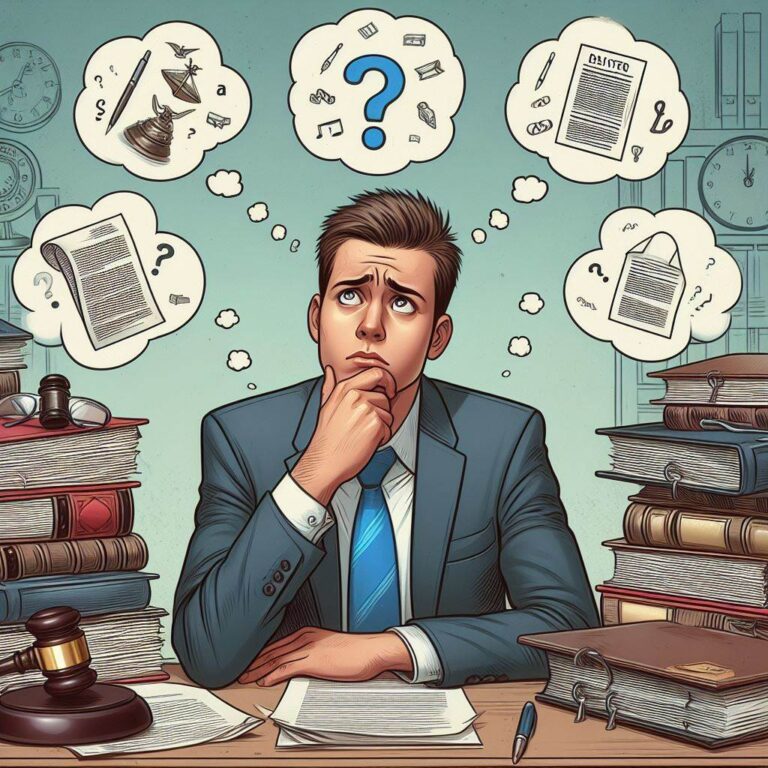
Most people don’t spend much time thinking about estate planning until life forces them to. It often starts with a stressful phone call from a hospital, the sudden loss of a family member, or the realization that nobody knows where important documents are stored.
In many families, estate planning becomes urgent only after people experience firsthand what happens when there is no plan in place.
That is one reason why so many Americans continue to delay writing a will or creating basic legal documents, even though they know it’s important. [According to a 2019 report from the U.S. Government Accountability Office](https://www.gao.gov/assets/gao-19-231.pdf), only about 37% of U.S. adults have completed an advance directive, despite how important these documents become during medical emergencies or incapacity.
Estate planning is still widely misunderstood as something reserved for retirees, wealthy families, or people with large investment portfolios. In reality, estate planning has much less to do with wealth than most people think.
At its core, it is about protecting your wishes, reducing confusion for loved ones, and making sure the right people are legally able to make decisions if something unexpected happens.
The best time to start estate planning is before you feel like you need it.
## **The Best Time to Start Estate Planning**
If you’re wondering when should you start estate planning, most experts agree on one thing: sooner than you think.
In many cases, estate planning should begin at age 18, because turning 18 changes your legal status completely. Once you become a legal adult, your parents no longer automatically have the authority to make healthcare or financial decisions for you. That means if a medical emergency happens while you are in college, traveling, or living independently, your family could face legal barriers when trying to help manage your care or finances.
This surprises many young adults and parents. People often assume estate planning only matters once someone owns property, has children, or accumulates substantial wealth, and while those milestones certainly make estate planning more important, basic legal protections still matter long before then.
For young adults, a simple estate plan often includes:
* A basic will
* A healthcare proxy or medical directive
* A durable power of attorney
* Updated beneficiary designations
* Instructions for digital accounts and devices
Even if you do not own significant assets, these documents help make sure your wishes are respected and that trusted people are legally allowed to help if necessary.
One of the biggest misconceptions about estate planning is the idea that people should wait until they have “enough money” to justify it. In reality, estate planning is primarily about decision-making and preparation. The legal and emotional challenges families face after death or incapacity often exist regardless of income level.
As your life grows more complicated, your estate plan grows with it. A college student may only need a few basic documents, while a married couple with children, a mortgage, and retirement savings will likely need a more detailed plan. The important thing is starting before an emergency forces difficult decisions onto family members who may already be overwhelmed.
It’s also important to remember that estate planning laws vary by state. Requirements for wills, powers of attorney, trusts, and probate processes differ across the United States, which is why using state-compliant documents matters.
## **Life Events That Signal It’s Time to Create or Update a Plan**
Although estate planning should ideally begin early, there are certain life events that often push people to finally take action. These milestones usually involve growing responsibilities, changing relationships, or larger financial commitments that increase the importance of having clear legal instructions in place.
### **Getting Married**
Marriage changes many aspects of your financial and legal life. After getting married, many couples combine finances, purchase property together, share debts, or name each other as beneficiaries on insurance policies and retirement accounts. Estate planning after marriage helps make sure these decisions are legally documented and properly updated.
Without updated estate planning documents, older beneficiary designations or outdated wills can create confusion later, especially in blended families or second marriages.
### **Having Children**
For many people, becoming a parent is the moment estate planning suddenly feels real.
One of the most important reasons parents create wills is to name guardians for their children. If both parents pass away unexpectedly without legal instructions in place, a court may ultimately decide who becomes responsible for caring for the children.
Estate planning after having children often includes much more than simply writing a will. Parents may also want to:
* Create trusts for minor children
* Purchase life insurance
* Choose backup guardians
* Establish financial instructions for caregivers
* Create healthcare directives and powers of attorney
These conversations are emotional, but they are also one of the most meaningful ways parents protect their children’s future.
### **Buying a Home**
A home is often one of the largest financial assets a person owns, which makes estate planning increasingly important. A will helps clarify what happens to your property, who inherits ownership, and how responsibilities are divided after death.
Homeownership also often comes with shared financial obligations, mortgages, and long-term financial planning that should be reflected in your estate documents.
### **Starting a Business**
Business owners frequently need more advanced estate planning because their personal and business finances are often closely connected. Without proper planning, the death or incapacity of a business owner creates uncertainty for employees, family members, and business partners.
Estate planning for entrepreneurs often includes succession planning, ownership instructions, and detailed financial powers of attorney.
### **Divorce or Remarriage**
Divorce is one of the most common reasons estate plans become dangerously outdated.
Many people forget to update their wills, retirement account beneficiaries, or insurance policies after separation. In some cases, former spouses unintentionally remain listed on accounts for years. Remarriage also creates new considerations, especially when children from previous relationships are involved.
### **Caring for Aging Parents**
A growing number of adults begin thinking seriously about estate planning after helping aging parents through illness, incapacity, or probate proceedings, and watching family members struggle through legal confusion, missing documents, or court delays often highlights how important advance planning really is.
### **Receiving an Inheritance or Growing Savings**
Estate planning becomes increasingly important as people accumulate retirement savings, investment accounts, real estate, or inherited assets. Even moderate financial growth often creates enough complexity to justify stronger planning.
### **Serious Illness or Diagnosis**
Medical emergencies rarely happen on a convenient timeline, and a healthcare proxy and durable power of attorney help make sure somebody you trust is legally allowed to make decisions if you are unable to communicate your wishes yourself.
## **What Happens If You Wait Too Long**
Many people delay estate planning because it feels uncomfortable or overwhelming. Others assume they still have plenty of time. Unfortunately, unexpected situations happen every day, and waiting too long often leaves families facing avoidable stress during already difficult moments.
If you die without a will, state intestacy laws determine how your assets are distributed. These laws follow predetermined formulas that may not reflect your personal relationships or wishes. In some situations, unmarried partners, stepchildren, or close friends may receive nothing at all.
Without proper estate planning documents in place, families often face:
* Long probate delays
* Higher legal costs
* Family disagreements
* Frozen financial accounts
* Confusion over medical decisions
* Guardianship disputes involving children
In many cases, those delays last far longer than people expect. [According to the Lake County Illinois Probate Court Handbook](https://19thcircuitcourt.state.il.us/DocumentCenter/View/105/Probate-Court-Handbook-PDF), a typical probate estate remains open for more than a year before all assets are distributed to beneficiaries.
One of the biggest mistakes with wills is assuming family members will “figure it out” informally. Unfortunately, verbal conversations rarely carry legal authority, especially when emotions, grief, or financial pressure are involved.
The emotional side of estate planning is often overlooked in many discussions about wills and trusts. Families dealing with sudden illness or death are already navigating grief and uncertainty. Clear legal instructions reduce conflict and provide guidance during situations where people are often exhausted and emotionally overwhelmed.
## **The Basic Documents Most Adults Need**
Estate planning does not always require complicated legal structures or expensive trust arrangements. For most people, the goal is building a solid foundation with a few essential estate planning documents.
### **Last Will and Testament**
A will explains who receives your assets, who manages your estate, and who cares for your minor children if you pass away. It is often the foundation of an estate plan and one of the most important legal documents adults create.
If you’re unsure where to begin, our guide on [how to make a will](https://successionwills.com/articles/how-to-make-a-will) walks through the process step by step.
### **Durable Power of Attorney**
A durable power of attorney gives somebody legal authority to handle financial matters on your behalf if you become incapacitated.
### **Healthcare Proxy or Medical Directive**
A healthcare proxy allows someone to make medical decisions for you if you cannot communicate your wishes yourself. These documents become especially important during emergencies or serious illness.
You can learn more about the differences between these legal tools in our article on [will vs power of attorney](https://successionwills.com/articles/will-vs-power-of-attorney).
### **Beneficiary Designations**
Many financial accounts, including retirement accounts and life insurance policies, pass directly to named beneficiaries regardless of what your will says. This is why beneficiary designations should be reviewed regularly, especially after major life changes.
That review matters more than many people realize because retirement assets and Social Security benefits made up roughly 40% of family wealth in 2022, [according to the Congressional Budget Office](https://www.cbo.gov/system/files/2024-10/60343-family-wealth.pdf). In many families, beneficiary forms control a larger portion of inherited wealth than the will itself.
### **Living Trusts**
Not everyone needs a trust immediately. Some people use trusts to help avoid probate, maintain privacy, or control how assets are distributed over time while others with simpler estates may only need a will and a few supporting documents.
### **Digital Legacy Planning**
Modern estate planning now includes digital assets and online accounts, which many older estate plans completely overlook.
This might include:
* Password managers
* Cryptocurrency accounts
* Social media profiles
* Online banking
* Cloud storage
* Digital photo libraries
* Legacy contacts on phones and devices
Without instructions, families often struggle to access important online accounts after death.
## **How Often Should You Update Your Estate Plan?**
Estate planning is not something you create once and ignore forever, and your documents should evolve as your life changes.
Most experts recommend reviewing your estate plan every three to five years, even if nothing major has changed. You should also revisit your documents after major milestones like marriage, divorce, having children, moving states, buying property, or experiencing significant financial changes.
Beneficiary designations deserve special attention because they are frequently forgotten. Outdated beneficiaries remain one of the most common estate planning mistakes families encounter.
## **Simple First Steps You Can Take Today**
One reason people delay estate planning is because they assume the process will feel overwhelming or complicated, but in reality, most people begin with a few manageable steps.
Start by:
1. Listing your major accounts and assets
2. Choosing trusted decision-makers
3. Naming guardians if you have children
4. Reviewing beneficiaries
5. Talking openly with family members
6. Creating or updating your will
You do not need to have every detail perfectly organized before starting. Even a basic estate plan provides more protection than having no plan at all.
At Succession Wills, we created an online platform designed to make estate planning simpler, more affordable, and easier to understand for everyday families.
You can also explore our [online will kit](https://successionwills.com/will-kit) for step-by-step guidance through the process.
Families with more complex situations, including blended families or second marriages, may also benefit from reading our article on [estate planning for blended families](https://web.successionwills.com/article/navigating-estate-planning-key-considerations-for-blended-families-when-creating-a-will).
## **Frequently Asked Questions**
### **What is the 5 and 5 rule in estate planning?**
The 5 and 5 rule usually refers to trust provisions allowing a beneficiary to withdraw the greater of $5,000 or 5% of trust assets annually without triggering certain tax consequences.
### **What is the biggest mistake with wills?**
The biggest mistake with wills is not having one at all. Another common mistake is forgetting to update documents after major life changes like marriage, divorce, or having children.
### **What are the four documents Suze Orman says you must have?**
Suze Orman often recommends four core documents: a will, durable power of attorney, advance healthcare directive, and revocable living trust.
### **What is the downside of putting your house in a trust?**
Putting a house in a trust can involve additional paperwork, legal costs, and ongoing management responsibilities. For people with simpler estates, a basic will may sometimes be enough instead.
## **Estate Planning Is About Protecting the People You Love**
Whether you’re starting your career, raising children, caring for aging parents, or planning retirement, having even a simple estate plan gives you more control over what happens next.
The best time to start estate planning is before life becomes more complicated.
At Succession Wills, we help everyday families create legally binding wills online with step-by-step guidance designed to feel clear, approachable, and affordable.
Start your estate planning today and protect your family before life changes unexpectedly.